Somnipharm is unique as a private sleep medicine prescribing service as we provide each customer with sleep coaching which is underpinned by CBTi principles. These will complement concomitant use of Daridorexant.
It is important to note that the sleep coaching provided through this programme is informed by the core principles and key components of Cognitive Behavioural Therapy for Insomnia (CBT-I).
We will provide you with strategies to helps to improve sleep by changing behaviours and thought patterns that can interfere with healthy sleep. Our advice is evidence -based.
Our goal at Somnipharm is to encourage behaviours that:
- Strengthen the connection between bed and sleep.
- Improve sleep efficiency and quality.
- Reduce anxiety about sleep.
- Address habits and thoughts that maintain insomnia.
- Provide long-term improvements
All of these parameters will be reflected in improved scores during your clinical review and better satisfaction of sleep. If you were ever to stop using the Daridorexant, your sleep health would hopefully benefit from the principles learned from this service if followed!
Understanding Rumination and Hyperarousal
A key principle of sleep coaching is that chronic insomnia is often maintained by a state of hyperarousal and excessive rumination.

Many people with insomnia feel physically tired but mentally alert. They may spend long periods in bed thinking about sleep, monitoring whether sleep is occurring, or worrying about the consequences of a poor night’s sleep. These processes can increase alertness and interfere with the body’s natural ability to fall asleep.

Assessment
Assess whether treatment is clinically appropriate and safe for you…
Hyperarousal
Hyperarousal refers to a state of excessive mental and physical activation that persists into the night when the body should be preparing for sleep.

Mental Hyperarousal
Examples include:
- Racing thoughts.
- Excessive planning and problem-solving.
- Replaying conversations or events from the day.
- Thinking about future responsibilities.
- Monitoring whether sleep is occurring.
- Worrying about the effects of poor sleep.
Many people describe this experience as:
“I’m exhausted, but my mind won’t switch off.”
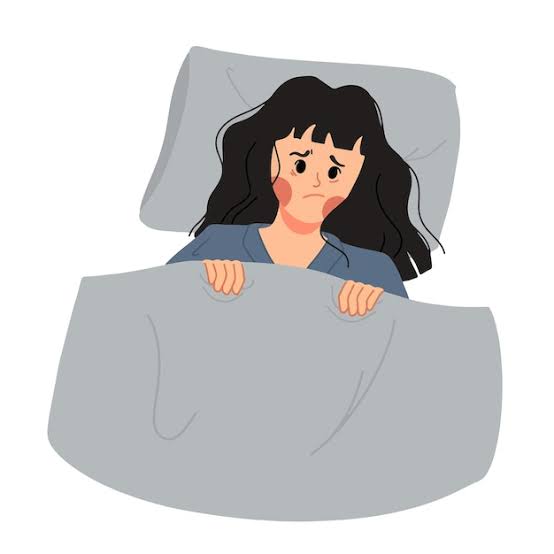
Physical Hyperarousal
Examples include:
- Muscle tension.
- Restlessness.
- Feeling “wired but tired.”
- Increased heart rate.
- Difficulty relaxing physically.
Rumination
Rumination refers to repetitive and unproductive thinking that occurs without reaching a solution.
Examples include:
- Replaying events repeatedly.
- Analysing mistakes.
- Anticipating future problems.
- Repeatedly thinking about sleep.
Common sleep-related thoughts include:
“Why can’t I sleep?”
“What if I’m awake all night?”
“How will I cope tomorrow?”
“I need to fall asleep now.”

Although these thoughts are understandable, they often increase emotional and physiological arousal, making sleep less likely.
How the sleep coaching at Somnipharm helps
Sleep coaching aims to break this cycle by:
- Reducing time spent awake in bed.
- Strengthening the association between bed and sleep.
- Addressing unhelpful beliefs about sleep.
- Reducing sleep-related anxiety and rumination.
- Teaching techniques to manage worry and mental overactivity.
- Encouraging behaviours that support the body’s natural sleep system.
The goal is not to force sleep. The goal is to reduce the behaviours, thoughts, and emotional reactions that interfere with sleep.
As hyperarousal and rumination decrease, sleep often becomes more automatic, natural, and restorative.
Rumination, Hyperarousal and Daridorexant
Daridorexant helps reduce biological wakefulness by blocking orexin signalling in the brain.
However, people may continue to experience:
- Sleep-related worry.
- Excessive monitoring of sleep.
- Rumination.
- Learned patterns of wakefulness in bed.
For this reason, behavioural sleep strategies remain important even when taking daridorexant. The medication may help reduce wakefulness, whilst sleep coaching addresses the cognitive and behavioural processes that maintain insomnia.
Together they can help restore confidence in the body’s natural ability to sleep.