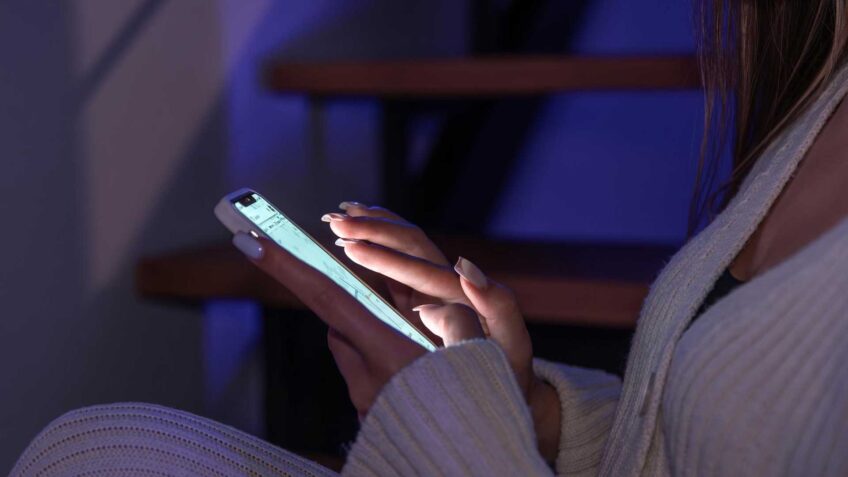
Are sleep trackers helping you sleep better—or making you more anxious?
Sleep trackers have become part of everyday life. From smartwatches to smartphone apps, millions of people now use technology to monitor how long they sleep and how well they rest. While these devices can provide valuable insights into sleep habits, they can also create unnecessary pressure and, in some cases, make it harder to get a good night’s sleep.
According to a recent survey by the American Academy of Sleep Medicine (AASM), nearly half of U.S. adults (48%) have used a sleep tracker to monitor their sleep. The growing popularity of these devices reflects a wider recognition that quality sleep is just as important for overall health as a balanced diet and regular exercise.
How sleep trackers are changing behaviour
Sleep trackers do more than collect data—they often influence the way people approach their sleep.
The AASM survey found that 55% of sleep tracker users have changed their sleep habits based on the information they receive. Many report going to bed earlier, sticking to more consistent bedtimes and wake-up times, or paying closer attention to how often they wake during the night. For many people, tracking sleep serves as a helpful reminder to prioritise healthy sleep habits.
The survey also revealed differences in who uses sleep trackers. Men (56%) are more likely than women (40%) to use these devices and are also more likely to adjust their routines based on the data. In addition, men tend to spend more on consumer sleep products, excluding mattresses.
When tracking sleep creates anxiety
As interest in sleep health has grown, so has the trend known as sleepmaxxing—the pursuit of maximising sleep quality through routines, technology and sleep-related products.
For some, this can encourage healthier habits. For others, it can have the opposite effect.
The survey found that 76% of adults have lost sleep because they were worried about sleep problems. This phenomenon, often referred to as sleep anxiety or orthosomnia, can develop when people become overly focused on sleep data or feel pressure to achieve perfect sleep scores.
Ironically, stressing about sleep often makes it more difficult to fall asleep or stay asleep. Over time, this anxiety can interfere with achieving the recommended seven or more hours of sleep adults need to support good physical and mental health.
Using sleep trackers without the stress
Sleep trackers can be a useful tool when viewed as a guide rather than a scorecard. They can help identify patterns, encourage healthier routines and improve awareness of sleep duration and consistency.
To get the most benefit without increasing anxiety:
- Use your tracker consistently to build an accurate picture of your sleep over time.
- Focus on meaningful trends, such as total sleep time, regular bedtimes and wake-up times, and frequent night-time awakenings.
- Make gradual changes to your routine and monitor how they affect your sleep.
- Review your sleep data in the morning rather than during the night, and avoid fixating on individual nightly scores.
Ultimately, technology cannot replace the foundations of healthy sleep. Maintaining a regular sleep schedule, following a relaxing bedtime routine and allowing enough time for rest remain the most effective ways to improve sleep quality.
When to seek professional help
If worries about sleep are keeping you awake, or you continue to feel tired despite improving your sleep habits, it may be time to speak with a sleep specialist. Persistent sleep difficulties can sometimes be a sign of an underlying sleep disorder or another health condition that requires treatment.
An AASM-accredited sleep centre can help assess your symptoms and recommend the most appropriate care.
While sleep trackers can be a valuable source of information, they should support—not dictate—your sleep habits. Better sleep comes from consistent routines, realistic expectations and seeking professional advice when needed, not from chasing perfect numbers.